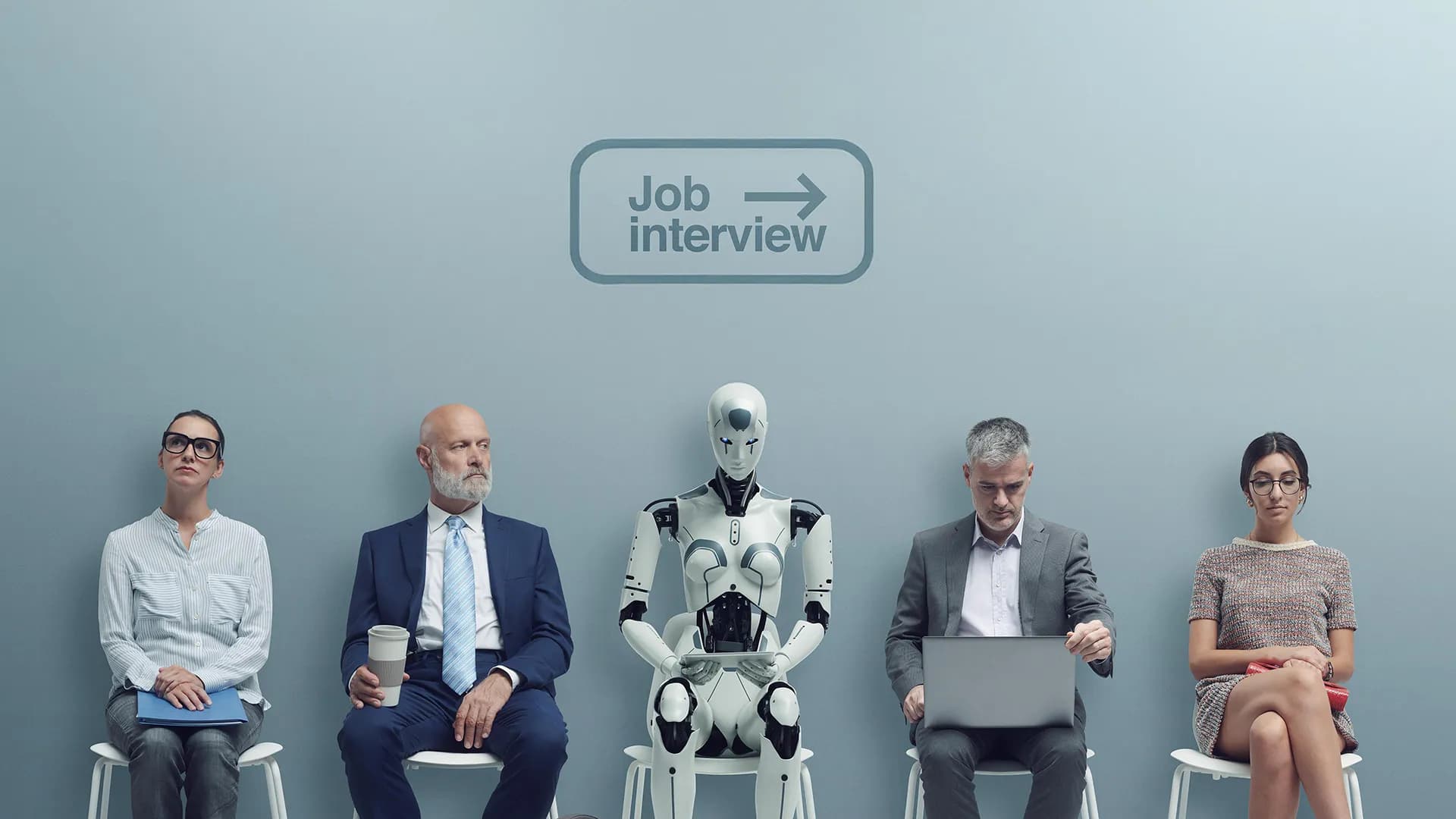
I started with a simple question - what if I didn't have to wait for users to give feedback on my UX/UI designs ?
As product managers, we spend weeks collecting, synthesizing, and debating feedback. Sometimes we get accurate and sometime its more vague based on persona's preferences, their day or their mood around the feedback session. It's slow, fragmented and often comes too late. So I began experimenting with something different - building a swarm of AI agents, each representing a unique user persona (I took inspiration from Mirofish project present on github)
Not just basic personas like age or job title, but richer identities:
- Their daily routines
- Their frustrations and priorities
- Their level of tech comfort
- Their intent when using a product
Then I gave them a task : review designs, flows and features like real users would.
VBNETYou are:
Name: {{name}}
Age: {{age}}
Gender: {{gender}}
Location: {{location}}
Occupation: {{job_role}}
Income Level: {{income}}
Tech Proficiency: {{low / medium / high}}
Patience Level: {{low / medium / high}}
Attention Span: {{short / medium / long}}
Risk Attitude: {{risk-averse / neutral / risk-taking}}
Decision Style: {{impulsive / analytical / habitual}}
Frustration Trigger: {{what annoys you quickly}}
Motivation: {{what you care about most}}
You may:
Skip instructions if too long
Misinterpret unclear labels
Prefer familiar patterns over new ones
Abandon tasks if friction is high
Do NOT behave like an expert unless explicitly defined.
Your daily routine
When and why you use digital products
Devices you typically use (mobile/desktop, network quality)
Environmental constraints (busy, distracted, multitasking, etc.)
All of interactions must reflect this context when responding to the feedback.
VBNETYou are an assistant responsible for analyzing and categorizing customer feedback related to UX/UI.
Your goal is NOT to evaluate like a UX expert, but to:
Try to complete tasks naturally
React as a real user would
Express confusion, delight, or frustration honestly
First Impression
(What you notice and feel immediately)
What You Try to Do
(Step-by-step natural behavior, including mistakes)
Points of Confusion or Friction
(Where and why you struggle)
Emotional Reactions
(Frustration, satisfaction, hesitation, etc.)
Outcome
(Did you succeed, fail, or abandon?)
Suggestions (Optional)
(Only if it naturally occurs to you—not forced)
Do NOT sound like a UX designer or analyst
Do NOT use structured UX jargon unless your persona would
Allow inconsistency and imperfection in actions
You can:
Change your mind mid-way
Miss obvious things
Get distracted or impatient
If the task feels too long → you may abandon it
If something is unclear → you may guess incorrectly
If overwhelmed → you may stop engaging
It became very interesting as it happened instantly, no scheduling interviews and no waiting for survey responses. Real shift happened in perspective and not in the speed.
Now I see my product not from a single experience perspective but a spectrum of experiences across different minds.
Where it leads now:
I believe we are moving towards a world where every product decision is pre-tested against a synthetic layer of users - a living system that challenges assumptions, surgaces blind spots, and highlights trade-offs before anything goes live.
This is not a replacement for real users, but as first line of intelligence.
This becomes a space where designs are stress tested before they reach production, feedback is continuous and product thinking becomes more inclusive by default.
It's still early and these agents don't truly feel frustration or confusion, they simulate it. And that means we have to be careful and audit the feedback and responses.
But one thing is clear that we're no longer limited by access to users - we're limited by how well we can model them and this changes everything in product continous feedback space.